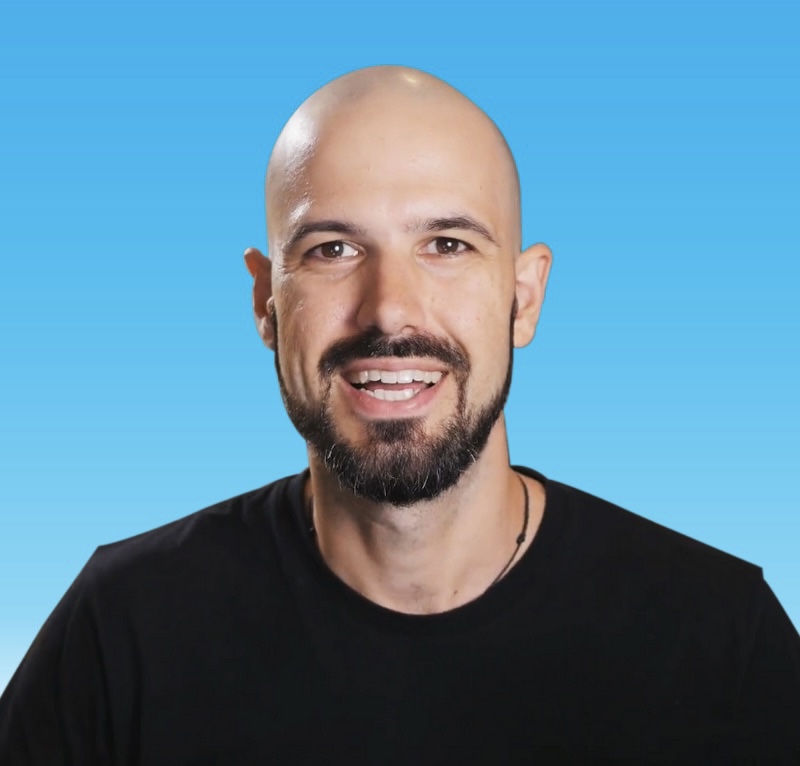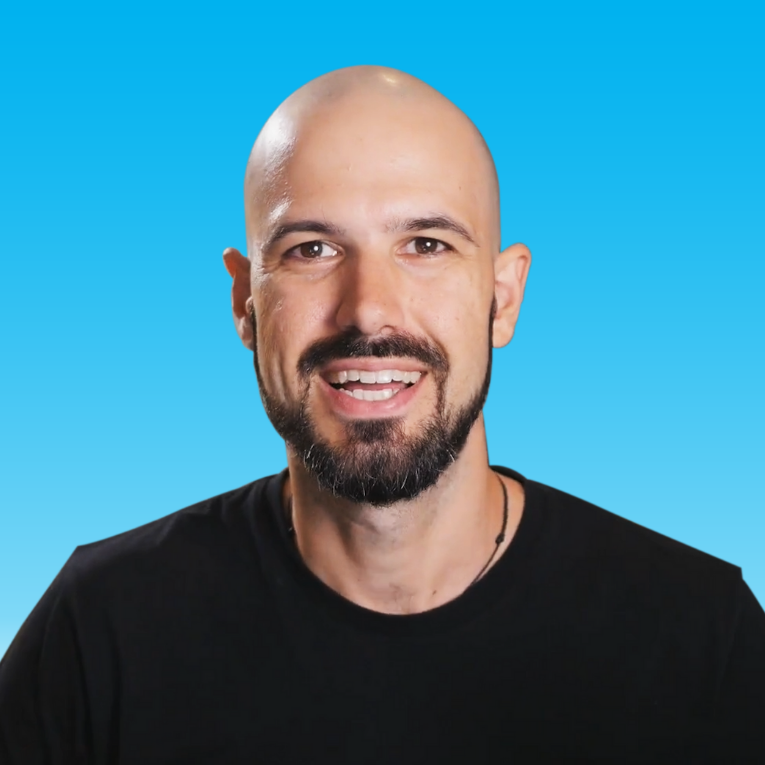
Watch this interview with Michael Petersen, Founder and CEO of Pivotus, covering his journey transitioning an office-based team to remote work and his exciting journey taking his family to France for a year while still running his successful digital advertising agency in Brisbane.
Our 8-week Remote Work Playbook online course will cover:
– Our 5yr journey from office-bound to remote
– Hiring and onboarding remote staff
– Critical remote work technology stack
– Managing tasks and deliverables in a remote team
– Meeting rhythms, schedule, and strategic execution
– How to be healthy at home (for work and personally)
– How to keep your team culture, energy and enthusiasm alive
– How to ditch the office for good (if you’re game!)
Join Remote Revolution: www.itGenius.com/rr
Join G Suite Community: www.itGenius.com/gsc
Get tech help from our team: www.itGenius.com/chat
Did you find this video helpful? Let us know by dropping a comment below!
To get full access to the online course, join Concierge today or connect with our team.
Transcription:
Peter Moriarty: Ladies and gentlemen, welcome to Peter Moriarty TV. Great to have you to here. I’ve got an amazing guest tonight, Michael Peterson, a good personal friend of mine. We were born on the same day, which is pretty bloody groovy. We’re going to be talking about his business and transitioning a traditional corporate team from an office to a complete remote team. Now, this is not the story that we’ve had, which is like hiring the Philippines and bit by bit move out of the Australian staff and go to a complete outsourced model. Michael did move his staff members out of a Brisbane office to working at home, all in Brisbane. Then, over time, he’s added some international team members as well, but a big part of his business is still local and so he now has teams spread out actually across Australia and has opened up new businesses, new ways of doing business, and I think that journey is really interesting. Super excited to share Micheal’s journey. I’m about to patch him in. If you have any questions, please go ahead and drop them in the chat so I can share those with Michael and go ahead and share this with someone who may find it interesting. If you’re someone’s whose been forced to make that switch abruptly from working in an office to remote work, you’re going to hear from a business owner who’s a little bit older than me, got a little bit of a different perspective on things, and he’s going to be sharing his story with us. So let me go ahead and bring him in. MP, mate, great to have you here. How you doing, dude?
Michael Petersen: Good. Thanks for having me, Peter.
Peter Moriarty: Awesome. No, it’s great to have you here. I know a little bit about your business. I know you’re in the digital advertising space. I know you’ve got some exciting technology products that I know the back end of. Could you let the watchers/listeners know? And of course, I’ve shared to the wrong screen here, so I’m going to go and share to my guest screen. Let me share the actual screen instead of my notes. Do you want to share [crosstalk]?
Michael Petersen: I wanted to see the notes. That will be good.
Peter Moriarty: Oh yeah. Well, there’s no notes in the outline. We’re free-balling it.
Michael Petersen: Okay. Fair enough.
Peter Moriarty: We’re going to make it up as we go along. But mate, could you share for those that are watching/listening, could you share and let us know what it is that your business does and what kind of customers you serve and look after?
Michael Petersen: Sure. Our company’s called Pivotus. We used to be called My Media Trading Desk, and before that it was JF Media. And these days, we’re a digital advertising agency. We place ads, or what is it, we help keep the internet free.
Peter Moriarty: Nice.
Michael Petersen: So, we place ads all over the internet for different corporates. Everything from our smaller clients might be private schools, and then our larger clients are companies with 97,000 staff around the world. So the ads and strategies just depend on what their end goal is. We’re pretty platform agnostic. We don’t care if it’s Facebook ads or Google ads or YouTube or Snapchat or TikTok. It doesn’t matter. We look at what’s the best for them and put that in place. And then roll that into one buy and then optimize on that one buy and then report all in real time on how that’s all going as well, too. So yeah, pretty cool.
Peter Moriarty: And I love you put on your advertising agency voice for that, “Yes. We’re an advertising agency in Brisbane.”
Michael Petersen: That comes just natural [crosstalk].
Peter Moriarty: You do. So I want to take you back. Thank you for sharing that. I want to take you back to … I know you didn’t start the business. You actually bought and took over the business. So it was an established business. I’m curious to hear a little bit about that, because I think that’s really interesting. We’ve spoken many a time over the years about you having this feeling of like, “Ah, am I an entrepreneur, because I didn’t start the business?” And yeah, I’m interested in where you’re at with that thought right now. But maybe you could share a little bit about how that came to be and you came to take over the business you were working in.
Michael Petersen: I suppose I could answer the first question first, which is do I still feel that I’m not an entrepreneur or not a business owner. I definitely am because we’ve had to reinvent it six times since 2008. So it’s a totally different business to what it was back then. It’s just had a little bit of a kick along or momentum, because of the history. The short version is my wife, girlfriend at the time, in 1999 went and worked for this advertising business called JF Media, or Jane Fewings Media. She was doing well there. It was a very small business, and they represented different media, so if you needed to buy an ad in BRW Magazine, they sold it. West Australian Newspaper, SBS TV, all that sort of stuff. And then over time unfortunately one of the founders passed away. We were quite close to them, Kate became a minor shareholder and a director of the business. Fast forward a few years, and her business partner, the husband of the lady who passed away, was in his 60s and putting money in the super fund, not putting it into the business, and regenerating that. Which is completely fair enough. It just wasn’t where we were at. I’ve been behind the scenes, had my own sales background and service background. And when I could see what was going on this business, it was kind of like a trade. I saw behind the scenes, and I knew it was valuable, so we bought it. I bought out the remaining shares. But it didn’t, I suppose on the open market, it would be a tough sell, because the contracts weren’t water tight. There wasn’t any MRR or anything like that. It was just, I bought momentum and good will. And that was in August 2008. And if I was actually reading the magazines that I was selling, BRW, I’d be able to realize that this GFC thing was coming, and it came. And it wiped out a lot of the business. But we worked through that. And then from ’08, we had one child. When we bought the business, we had a baby. Kate came back to work and we both worked together. That was not very successful. And then in close succession we had twins 17 months later. And halfway through that pregnancy, we worked out that it was a pretty bad pregnancy and risky, and Kate was in hospital and all that sort of stuff. So I ended up just taking over running the business, and Kate ran the family.
Peter Moriarty: There you go. The rest is history.
Michael Petersen: Yeah. That was 2008.
Peter Moriarty: And how did you go transitioning from a business that obviously, even in the name, was linked to the previous founder? How was that journey transitioning the brand, the business, and the customer relationships? Obviously it’s a very relationship based game, being advertising and media. But what about the brand and the personality of the business?
Michael Petersen: Interesting question. I haven’t really thought about it too much. But if I do, that’s what we were buying. We were buying the brand. We weren’t buying Michael’s advertising skills, because they were less than zero. We were buying this momentum of a business. And Jane had an incredible brand, and an incredible name, so even when we took it from, even when she was around, it took it down to J F Media, so it kind of took out her personal name, but it still had enough momentum. I kept it that business and that division alive till two years ago, three years ago.
Peter Moriarty: Yeah. Interesting. So somewhere along that journey, I think we got connected around that time. I don’t know exactly where it was on that particular journey, maybe it was 2013 or 2014. We set you guys up on G Suite. You were one of the customers who were great to work with, who said, “Yeah, I like what you do. Take my money.” That was great. Easy sales process. That’s fantastic. Tell me about that journey, because that’s really I think the interesting thing. We hear about plenty of businesses who are run from someone with a laptop, sitting in their underpants in a co-working space, or sitting on a beach somewhere in Bali, no offense Monty, sorry, and I’m interested in the traditional businesses, officey businesses. And five years ago businesses, when it wasn’t cool, it wasn’t trendy going remote. Tell me about that story.
Michael Petersen: Yeah, wow. It was probably forced upon us for a positive reason, because my wife and I wanted to go live over, well she wanted to go live overseas, so we just had to do it. But we’d always, and this might not, not meant to sound wanky or whatever, but the business I bought was around since ’79. And it had, with heritage comes legacy. And legacy systems, legacy ways of doing things. And my wife had worked there since she was 19. She really, with all due respect, didn’t know any different. And I’d worked for Big W, and some retailers, and a big recruitment firm and Seek. And so I’d seen big business. And she’s seen small business. So, we sort of met in the middle somewhere. I still remember standing next to her desk looking at the little, I think I’ve still got it here, the little printer, scanner, fax thing, that you don’t have when you have a real company, but when you have your own business, you have this 97 in one sort of thing. And it was jammed. And I just said to her, “This thing’s not working. Who fixes this stuff?” And she looked around on her chair and went, “You, idiot.” And I was like, “I know.” That was welcome to small business. And it’s been like that ever since. And as you would know yourself.
Peter Moriarty: And so why remote then? Why getting rid of the office? That was because there was project moved to France, which we’ll talk about a bit later, project moved to France. And so that was the motivation of, “Okay, we need to get a bit more flexible.” But you didn’t just go flexible. You eventually got rid of the office completely.
Michael Petersen: Yeah. So the steps before that, and where I was going with the legacy I suppose, is that even when I bought the business, I just looked at some of the systems and went, “Okay, we’re invoicing and it’s taking a day and a half a month to invoice.” And it’s great. We’ve got a good person to do it, all that sort of stuff. But it was like copy and paste lots of things into a spreadsheet, and then you put it into MYOB, and then you do the invoices. I worked with a company in custom software, like I built a, I didn’t build it, but I paid them 10 grand to build this custom system that was like our booking system through to our invoicing system. And it turned that day and a half project into a 10 minute project. And with zero human error. And that’s the way I sort of approached J F Media was going, “It’s a phenomenal business. Great people, great customers,” and all that sort of thing. And just imagine if you could get rid of these things that are just a pain, but the staff there don’t even know it’s a pain, because they haven’t experienced anything different. And I couldn’t do that with a 60 year old business partner, but I could do it when I had control. So that was the trajectory of just always thinking about that sort of stuff. Meeting people like you. Reading The Four Hour Work Week. Before that, reading a book I know you’ve read, that I’ve got up here somewhere, Remote [inaudible]-
Peter Moriarty: Remote, yeah.
Michael Petersen: Remote book. An example that I still remember where I was standing in our Melbourne Street office, and that just slapped me, because the way I… It’s not what was written there, but the way I interpreted it was saying, and this was me going, “How do I do France?” Because it was a 10 year goal for us. So I knew it was coming, but I also knew probably two years out, we were going in 2015, we’re going to move to France. So, two years out of it like, “Okay, either I’ve got to change wives, or I’ve got to change business models, because this is happening.” And she was, like she didn’t care. She was like, “I’m going. Make it happen.”
Peter Moriarty: Nice.
Michael Petersen: So I had to. And then I read this book, and it was like one of the experts had said, “If you’re worried about your staff working remotely, you’re a crap manager.”
Peter Moriarty: Mm-hmm (affirmative). Wow.
Michael Petersen: And I was, “Mm-hmm (affirmative). Okay. That’s probably me.” And the point there he’s making is that if you’re worried about it, then you’re managing by attendance, who walks fastest, who carries the most folders, who buys you lunch when they’re out to get their lunch, who stays before you and after you, that sort of stuff. You’re not managing based on anything that’s useful. And that’s true whether you’ve got an office, or you don’t have an office. His point was you’re crap at your job, which I totally was, because I was managing by attendance and nice people. Just like that’s the way lots of people do it.
Peter Moriarty: Interesting.
Michael Petersen: That was a confrontation which I always enjoy. And then that was a confrontation to me which I always enjoy. And then I decided to do something about it. Sorry, I just got, I saw Reggie’s comment there. Hey Reg.
Peter Moriarty: I’ve just upped the volume.
Michael Petersen: Have you?
Peter Moriarty: So it should be good now.
Michael Petersen: I’m not as high tech as you so you’re going to have to lead me. Hence you’ve got white background and I’ve got a yellow background and shiny glasses.
Peter Moriarty: But that’s totally fine. I just bumped up your volume on my end so I think you should be good.
Michael Petersen: Awesome. So yeah, it was a project out of France. And then that became, if I don’t have an office and I’m not in Australia, what are the 10, 20 things I need to do to do that. And that was everything from pick up the computer and the desk, drive to the staff member’s house, help them install the computer and the desk, through to talking to people like yourself and going how do I get email servers right; how do I get phones… Actually before you had [inaudible]. So I had Skype for Business back then.
Peter Moriarty: Wow.
Michael Petersen: Because you could buy a phone number. I got onto Podio through meeting your new staff member, Scott. The GM Scott when he was a Podio consultant. And that was like how do I transfer the Excel spreadsheets and paper that we have in the office to something that’s a bit more project orientated. So yeah, it’s amazing what you can do when you have a non-negotiable line in the sand. And the problem ever since that day, and you might understand this as a business owner, is that all our lines in the sand are easily moved because we don’t have bosses, the bank’s not chasing us any more, all that sort of stuff. You don’t have this immovable object you need to work through. You have things that you can put off or delay or procrastinate about.
Peter Moriarty: Totally. So I’ve got heaps of questions. Before I jump into them, I just want to say hello to everyone who’s joined because we’ve got heaps of people who are watching at the moment. So thank you to Angel, Greg, Doy, Regina, our ops manager is on, Clarissa, Paul, Jan, Samuel and to anyone else who is not a friend of mine on Facebook yet but has joined. Thanks so much for coming along guys. Michael, what was the biggest fear for you or what fears did you have, considering making that transition? You’ve got the goal. You’ve got your wonderful partner who said, “I’m doing this whether you’re in or not”. What were the fears structured within the business or fears within yourself at actually executing, making that switch to working remote?
Michael Petersen: I think it’s, what became clear to me when I traveled was everything that I thought was hard in my life or I thought was obviously moving a young family to France is going to be difficult. Obviously moving a business to France is going to be difficult, those sort of things. When you travel and you pull your head out of your butt, you realize that people have done more with less. People have had less notice, more kids, younger kids, less money, bigger jobs, all this sort of thing. But when I’m not that aware and I’m just looking at my own circumstances, to me it was new. Even that time, I remember visiting you in your Sydney office, you still had the guys working there and like 400 screens around the office and all that sort of stuff. It wasn’t a common thing to do in my circle of friends.
Peter Moriarty: That’s probably like the Gen Y versus Gen X business owner. Because you’ve gone and had a corporate career and then gone into business, my assumption is a bit more safe… My perspective is a bit more safe way of operating. Whereas for me, it’s like I’ll just do whatever. I’ve read it in the book and so I’ll give it a go.
Michael Petersen: Well, it’s also what have you got to lose? With all due respect, you had a lot less to lose than I did.
Peter Moriarty: Still do.
Michael Petersen: Well, you’ve posted your credit card bill, so you did have something to lose. But there is also that as well, too. And that’s probably not… I’m trying to make that a real thing, but that’s also probably an emotional thing too. Whether you practically have it to lose or not, people can get over it because they are more emotionally mature than I was. So it was that, knowing there’s literally a deadline. I’ve got experts in 10 different topics, like you on this one and other people on this one and this one and this one, but I don’t have this package together that I can go and do what they did. I can read Tim Ferris. I can read Remote. I can do a list of stuff, but it was still me and I know me and that was a big job for me and my skills. So thankfully, we had great staff and they covered for me and it all worked out well in the end, sort of. But yeah, my biggest fear was going, this is completely unchartered territory for me totally, and for 99% of people I know. It’s like near on impossible, or they’ve never done it before. So how do I copy this?
Peter Moriarty: Yeah. That’s big. So you read two books. And I recommend both of these books. So it’s the Four Hour Work Week by Tim Ferris and Remote by Jason Fried and David Heinemeier Hansson. If you Google Remote book or Basecamp, it’s written by the founders of Basecamp. Then you’ll find that one. I’d like to know, what were your biggest takeaways from each of those two books.
Michael Petersen: Well, the Four Hour Work Week, which is this one up here is my old version actually. It’s got tear stains on it and it’s brown and it’s not one of these I got onto it in the last five years things. This was like a year after it was out I read it, so.
Peter Moriarty: Awesome.
Michael Petersen: For me, what I learnt from this was, it just opened my mind. Like when he’s talking about here, even just simple things that you do every day now and I do, my staff do every day, which is split testing covers of ads and book titles and things like that and him just talking about him having a VA. I hate that term but he uses it. Him having a VA or him having an assistant from another country and talking about currency leverage. I was like, I’ve never heard of this stuff before. This is insane. So I talked to another guy the other night about just my limiting beliefs and what not. But I think I find that if I go so far out with Tim Ferris, that I can find myself in the first 20/30%. So if I read that, I go well, he’s done that, fair enough. But if I did 30% of that, I would change my life.
Peter Moriarty: Perfect. Yeah. Amazing.
Michael Petersen: So it wasn’t take all of it on board. It was just… And there’s so many people who are anti-Four Hour. He’s not literally talking about four hours. All that sort of stuff. The world’s grown up. He’s just an attention getter and a trouble maker pretty much. But if you take the concepts of it, it’s phenomenal. Even if you’re an employee or not. And the Remote one, those guys build software that suits remote teams. So they get it. But they also have built their own remote team as well too. And for me, the main thing I can still remember is the thing I talked to you about before which is just that confrontation, going your belief and your, I’m just making this up, but say, your parents’ belief, your friends’ belief, your bank manager’s belief, your staff’s belief that this is completely unusual and not possible, is unfounded because this guy’s done it. If he’s got 80 staff, I could have five. I suppose. Yeah, so that’s what I took. It just opened my mind. Both of them just way opened my mind.
Peter Moriarty: I’ve since found, and we were in Bali last year, and at the remote conference we saw an Atlassian speaker there and the amazing thing was they said out of their eight international offices, number one is Sydney, number two is San Francisco by number of staff. Number three is their remote workforce. So all of their work at home staff, of which there are hundreds all over the world, working for Atlassian, possibly even over a thousand now I’d say, are all working from home, which is pretty awesome. We’ve got some comments that have come through. Jeannie has joined us. Bill’s joined us. Thanks guys. And Kirsten has said, “Hi guys. Love that you are doing this course”. Thanks so much for sharing that. Great way for me to segue and talk about the course for 10 seconds, that is our Remote Work Playbook, if you haven’t already checked that out, we’re doing an eight week webinar series, taking you through everything we know about how to run a remote business linked to that and getting in touch with our team who’s down the bottom. M P. Back to you. Let’s talk about Project France. Because you got the basics done. You got the team working from home. You got them productive. You got some tools, technology tools in place to enable that and I think obviously you’ve done a good job at managing and transitioning that from a change management perspective on the people side of things. Then you threw in a different time zone, and not just like Philippines which is a couple of hours or the United States which gives you half a day. You’re on the opposite side of the world. Tell us about that.
Michael Petersen: That was actually the best part of the whole experience and-
Peter Moriarty: Awesome. Love it.
Michael Petersen: It was a total fluke. And if was smarter I would have planned ahead. But I got there or I was just about to go there and you work out that basically, I started work in France at 5:00 AM and I finished at 10:00 AM. I’m in Brisbane and so it is 1:00 PM Queensland time to 6:00 PM Queensland time. So by 6:00 PM, all my customers have gone home, which was 10:00 AM for me which meant I could turn the laptop off at 10:00 AM and go be a tourist and do all those sort of things and in my evenings in France, I spend two or three hours and then I’d be still beating the next morning’s opening. When you work that through, I think it’s way better to catch the afternoon shift than to catch the morning shift because in the morning you start conversations, you get things going and then you either work too much, so you’re working until two or three. I think you were traveling at the same sort of time. Were you over in Spain around then?
Peter Moriarty: You know what? I may have been. Yeah, I was over there for a wedding for about a month at the time I think.
Michael Petersen: Yeah. So you were traveling in Spain. We were talking about that, saying you just catch the end of the day. So emails and tasks bank up and then you just nail them in the Australian afternoon, whereas if you’re in the other time, the Americans, it would be tough, because you start things in the morning and then you either continue to work through or you just go AWOL for your customers and your staff and all that sort of stuff. So I literally had one guy say to me, because I was very overt about not hiding I was in France. It became kind of part of our brand as well too and just a point of difference. And I still remember one old bloke saying, “You are way more available than you were when you were in Australia”. Because in Australia, I’d muck around and I’d go and do other things and whatever, but in France, I’d be available. And all it meant was you’d get up at two minutes to five, have the coffee machine already started, have a coffee, sit down and work. It was awesome. It’s tough when you’re traveling through Europe for eight weeks and you’re in Airbnbs and they say, “comes with WiFi”. But there’s differing versions of comes with WiFi. In 2015, that was pretty tough. But first world problem.
Peter Moriarty: Yeah. First world problems, but also nowadays I think that’s pretty much cleaned up. Except we can’t travel. There’s that small problem. I think, when you start to delve into the world of like your circadian rhythms, and the rhythms of your body, what I’ve found is that that morning time is like the worst time to be, for me at least, to be interacting with others. Because it’s like distraction station, you’re interrupting people when they want to… Some people who are more morning people want to do their best work. I prefer not really doing much until about 9:00 or 10:00 AM. And I mean like waking up around then. And if I am up, I might do a bit of a workout. I might go down the beach and go for a walk. And I just let my mind kind of wander and that’s when I use… And I haven’t looked at my email. I haven’t checked any Facebook notifications or anything. I’m just spending that time, the best time that I have on my creative work. But it’s interesting, even when I was in the States, on the west coast, I’d find that I would have the morning and the day to kind of spend the day enjoying and then I’d work in the evening there. And I’m not really, I don’t really drink that much or anything, so didn’t really matter that I didn’t have the evenings to myself. I was able to connect with my team and work with them in the evenings. But during the day I was able to sight-see and kind of do all the fun stuff. So I think that’s really interesting. And the other benefit is, of course, you removing yourself from the business forces effective delegation, forces effective communication and then forces the team to get some stuff done without you being available on call because you’re asleep at times. So they end up being so much more resilient than you being always on and always available.
Michael Petersen: Absolutely. And it’s different people. It’s interesting you talk about the circadian rhythms too. It’s, for me, getting up… I’m more of a might owl, but I’m not super-productive of an evening. So I’ll do work on the business of an evening that’s probably 20% effective. Spend four hours doing, bad maths; spend five hours doing a one hour task as an example. Whereas in the morning I can smash it out and get it done. So, for me, it meant if I got up early, was forced to get up early, and particularly when it’s over there and it was deep winter as well, you’re literally in the dark. You weren’t doing video calls anyway, so you’re in the dark in this little French villa room, trying to be quiet from your family. And you can punch that out, which then they’d be tired of an evening so you went to bed at a reasonable time and that sort of worked, that worked for me.
Peter Moriarty: Awesome.
Michael Petersen: But the main thing was, I wasn’t absent from my family. From 10:00 AM onwards, I was literally a full time tourist. Because I’m a workaholic, so if it was the other way around, I would have had my phone. I would have been checking things all the time, because I just like doing that. I like business. But there was literally nothing to do after 10:00 AM. So it was kind of cool.
Peter Moriarty: Yeah. Barbara has actually joined who is in France at the moment and she’s asked are you still in France and…
Michael Petersen: No, Barb, I’m not. I did see your video last night. I didn’t know you were over there, which is great. We were in the south-west. We were in the Languedoc-Rousillon Region near Carcassonne, big medieval city down the south there, then traveled for the eight weeks of the summer because our villa got too expensive. Enjoy France. It was awesome. She’s doing the big day because she’s got a way bigger team than I have.
Peter Moriarty: Oh yeah. But Barbara’s there permanently, so she’s moved, which is awesome. So I want to know what habits, from that experience, have you kept? so what positive habits have you kept? And in what ways have you kind of slipped back into your old ways now that you’re back in Brisbane and have been for the last couple of years?
Michael Petersen: So the big picture one, and I’ve struggled with this and we’ve touched on it a little bit before, is that line in the sand; is that it was like France 2015 is happening, so all questions, discussions, arguments, purchases, staffing things, all went through that lens. Though, silly example, but we look at our personal finances and go, okay, I really want these dining chairs because our dining chairs are crap. But it was like, okay, is that going to help us get to France? And if the answer was no, then we just literally didn’t do it. So decision making was really, really clear then and therefore made goal setting clear and all that sort of stuff. And work amped up and focused. Without that, the opposite has happened, which is the enemy of a great life is a good life and I’ve got a good life, I’ve got a good business. It’s the enemy of a great business is a good business. You’ve got good staff, good cash, good clients and you don’t have this massive, I was going to say massive motivator, but I suppose that’s COVID at the moment, so that’s an interesting one. So that’s one thing I haven’t kept onto is that really hard core focus and that 5:00 until 10:00 AM. I could still work 5:00 until 10:00 AM if I wanted to in Brisbane, but I’ve let it stretch out.
Peter Moriarty: And find things to fill the space.
Michael Petersen: Well, it’s like that. But then I talked to someone last night about it and then the way I justified that is, I’m not the super-disciplined get up in the morning and you need a 6:00 AM. I don’t believe in that for me personally. For me, freedom is my number one value. So that doesn’t give me freedom if I’ve got that structure. And I know other smart people can argue that with structure comes freedom, but my version of freedom is like, if the newspaper that I’m reading in the morning has an interesting article, silly example, I can stay and read it longer, as opposed to, hang on, it’s 12 past six and then I need to do my nine minutes of meditation at 12 past six. That sort of stuff. That doesn’t work for me. So what I haven’t kept is a lot of that do a full day’s worth of work in five hours. That’s unfortunate. I’ve let that expand. But what I have kept is geography agnostic. Unless a client’s demanding that their staff member needs to be a few kilometers away from them, we don’t care where someone’s based. And even then, we’ll recruit for that person, that they’ll work on that key client, but they’ll also do some work on the other side of Australia. We’re doing some tenders down in Tasmania at the moment and I can easily say, which no-one else could really, based on the value of the tender, yeah, we’ll put a staff member down in Hobart for that, if we win it we’ll put a staff member down in Hobart. It doesn’t make financial sense. But for me, putting someone in Hobart’s the same as putting someone in Brisbane or Sydney or Manila.
Peter Moriarty: Yeah. Well they’re going to cost you less in Hobart than Sydney or Brisbane either way.
Michael Petersen: You can say that but then potentially they’re harder to find the caliber that you want because you’ve got a smaller market. Like all those pros and cons. But the point is that’s one thing I have kept is that geography agnostic. Although I am well aware that you go to Bali and you get motivated by these guys who are like 35 different countries or something or other. I am also only in two different time zones. I say I’ve got five staff overseas and 10 staff in Australia, but I’ve got it pretty easy. I don’t have the Russian team and the American team and the blah, blah, blah. And I don’t know if I’d ever really want that.
Peter Moriarty: It’s a good question. Is that necessary? What are you satisfying by doing that? Is it just satisfying an ego or is there an actual commercial need?
Michael Petersen: Well I think it wouldn’t be an ego but where it would come from, and I think it’s more in the dev industry which we’re not in, like software dev and all that sort of stuff, is that they have hugely disparate talent pools, where, we at the size of our business, we could not possibly exploit the Brisbane, Sydney, Melbourne, Perth, maybe Tasmania, Manila. We just couldn’t overrun it. We run Google ads and Google used to be the front of house was Google, the back of house was for four years run out of Manila. And they moved that contract I think to Singapore in September, year before last. So there’s 400 people there who previously worked for Google who now can work for me. So it’s going to be a long growth of our company before we go, hang on, we should probably go to Paraguay or something else like that as well. That’s the way I look at I suppose.
Peter Moriarty: Interesting. How much do you think your industry is in businesses in the advertising, media, digital industry, will adopt this kind of working? I’ve got a few friends that work for the big ad firms, like U M and those kind of guys. And it’s very officey. They’re all in Surry Hills in Sydney. Where do you see the industry changing? I understand you’re at the small business end of it. You’re not massive media conglomerate. But you’re a sizable firm. What do you see being the update there? We’ve had plenty of advertising agencies as our customers at itGenius , and they’ve all had offices and I see your business and being a personal friend of yours, I see us as being outside the matrix. Because for the last five years, we’ve been working from home, doing it completely remotely, had the ability to travel. What’s your take on what the current events that are unfolding? What do you think the lasting impact will have? Are people all going to shift to remote? Or are people going to go back to their old ways of going to the office?
Michael Petersen: Well, think about it. I’ve thought about that a bit. What I’m enjoying about this is that we were an outlier. Your business, my business, we were an outlier. And with that comes potential for perceived negatives as well too, if people want to use that. You’ve got guys with a Filipino accent, you’ve got you can’t turn up to a meeting in Melbourne in three hours’ notice, but you could… We’ve won a client in Melbourne five years ago, when I was literally sitting in a tiny little apartment in France, about two hours away from going to the French Open. My parents were sitting at the end of the bed. I was sitting there. I saw the message bank. I recognized his name and I went, geez, that’s a pretty big agency, I should probably return his call. So… I don’t know if you’ve ever done business in front of your parents. It’s a really weird experience because-
Peter Moriarty: It’s really weird.
Michael Petersen: It is really weird. But he, at the end of the call, I said, “Oh, just so you know, I’m currently in France”. And he said, “Well, that’s never going to work. I need you to come to meetings”. And I thought, well, I’ve got nothing to lose. I said, “Well, currently you’ve got a supplier who comes to meetings with you and you basically introduced them, they do all the work and they’ve got the relationship and you’re the door opener, and you’re not happy with that. How about we do something different, which is we sit behind the scenes, we educate your staff, we do the work, we empower you and if you ever want to punt us one day, you’re not held to ransom like you are at the moment.” He’s like, “Well, we’ll see if it works.” And that was five years ago and [crosstalk] a million bucks.
Peter Moriarty: Excellent. Great.
Michael Petersen: So that was kind of cool. But what I am really intrigued about is how would you be, and maybe you talk to your clients or your friends about this, if they’re an employer with an office in Sydney that’s had 17 staff who now work at home for three months and he or she has to put that genie, “has to” put that genie back in the bottle when COVID’s gone. I reckon it’s going to be a tough ask to say, “Yeah, yeah, yeah, I know. You’re going to have to get from Northern Beaches. You’ve got to get on the train and I know it’s an hour and a half but you’re just going to have to come in an hour and a half every day.” Just could. Just could.
Peter Moriarty: I’m so curious, is that the answer? I’m so curious what the people will want. And Dale’s that person because he’s been, for the most part, working from the office most of the time and the team are all now, for the most part, working at home. So maybe he’s the next interview guest. We’ve got to find someone who’s been thrust into working from home and see what their perspective’s going to be like when they go back to the real world, whenever that is.
Michael Petersen: There’s definitely cons. There’s definite downsides of working from home.
Peter Moriarty: Yeah.
Michael Petersen: Not many, but there’s definitely downsides. Well there is definite downsides of having your team all together and having that chat at the water cooler, the bumping into each other, the going out for dim sim for lunch or whatever it is. We’re relational human beings. Even though you might be an introvert like me and would prefer to be in lockdown anyway. This is like, I’m living my dream at the moment. That’s not great for relationships, whether they’re customer relationships or staff relationships. It’s not a long term strategy to never meet, have coffee, have a meal, do karaoke. That’s not a good idea. So what I’m also enjoying about the current market though, is that, and where I was going with it before, before I sidetracked myself, is it’s an even playing field. I think for you and me. As in previously we were the weird guys. Oh, you don’t go with itGenius because of blah, blah, blah. Don’t go with Pivotus because blah, blah, blah. Now, everyone is not available. I’m as fully available to a million dollar client in Melbourne as the agency in Melbourne who’s three streets away from them. I’m exactly the same.
Peter Moriarty: And you’ve been doing it for five years, so you’ve got your shit together.
Michael Petersen: And I’m not the one going, “Can you see me? Can you see me now” Can you see me now?”
Peter Moriarty: Yep, yep.
Michael Petersen: Is my Zoom background working? I know my lighting’s crap but I don’t usually work at night time. But yeah. We’ve got the advantage of all these other guys who are freaking out because I don’t stand up when I work from home. It’s like, I’m over that mate. I’ve moved on from that a long time ago. Whereas they’re all still wigging out about it. So it’s really interesting times. I’m not sure that bosses are going to find it easy to put that genie back in the bottle. Hopefully a lot more flexibility there. And it’s real flexibility. It’s not token… The big advertising agencies are terrible for it, like having a work from home policies and all this sort to crap which, you still get stink-eye if you leave, you don’t come in for the day or you leave bankers’ hours, all that sort of stuff. But it’s interesting time and I think there’s that middle ground is the right way to be. In a month’s time, I’ve spent $30,000 on a trip for 17 people to have our whole company retreat in Boracay, an island in the Philippines, Boracay, sorry. That’s not going to happen but that came about because we realized that we do need this relational connection. As much as it’s not my number one value, it’s super important to a business or any relationship and we can’t have that at the moment. So there still needs to be some of that connection.
Peter Moriarty: Yeah. So traps for new players. If someone’s just taking a team remote. You’ve been down this road. I don’t know if there’s like daily or weekly disciplines that you do that are really key? Or just stuff that you got wrong at the start and that you learnt about.
Michael Petersen: I believed in the beginning that we were doing it right, but there’s a saying that I heard a couple of months ago that I’ve enjoyed which is, success doesn’t mean competence. And it’s often that you’re succeeding and you just haven’t been shown up yet. And we were succeeding back when I was in France. Our revenue was flat lining because we just didn’t… There was 18 months where I, with the front of house, the business just wasn’t out seeing people. So traps for young players or traps for new players is around realizing that you still need to be super-structured. You still need to be super-disciplined. You still need to be actually doing good work. And the way we’ve transferred from that success, which really wasn’t success; we just had a good bunch of staff, to then having three times that amount of staff and some come and go. Those relational ways of doing things doesn’t work at three times the scale. Still my reasonably loose way of running the business wouldn’t work with the number of staff you’ve got, or the number of staff Barb’s got or anything like that. So you do need some structure. And it’s once we had our… We’ve got really strong company values and everyone knows them. They’re in all our documentation, that sort of stuff. And once people can sign off on those and emotionally buy into those, then I find that they’re doing things not for me or not for the boss or whatever that is. They’re doing things for the company. And it’s not even really for the company, because that’s just a logo and a bank account. They don’t really care about that. But they’re doing that for their peer who’s in Perth or their peer who’s also in Manila or their peer who’s… And if they don’t do their piece, it’s going to upset this other person over here and they don’t want to do that. They don’t want to upset that other person. So where we’ve had those deliverables tied in to other people, we don’t really have one person stand alone and they just work on their own thing. Everyone’s kind of tied together. So you’re going to let someone down and therefore you can’t go AWOL for four hours because someone else is expecting something from you.
Peter Moriarty: Yeah, that’s a-
Michael Petersen: You can go AWOL and make your dinner or go AWOL and do something, watch Netflix for an hour. Who would know? But at the end of the day, you’ve still got to deliver for your friend or your work friend.
Peter Moriarty: That was a great culture. We caught up a long time ago. The first time we had dinner I remember you were saying that you were a bit bored with life because you had everything taken care of and I thought, bloody hell, upper middle class problems here.
Michael Petersen: I had my [inaudible] butt that day, that’s for sure.
Peter Moriarty: I love it. And I’m interested, on my journey, in the business at least I’ve ticked the income goal from what I wanted to earn from the business. I then, for the last two, three years have spent most of my time optimizing my time, rather than optimizing for more income. And one of the things that I’ve been communicating to my team is, “Hey, look. We should continue to grow this business. It’s going to impact more people. We’ll be able to hire more people. That’s all good. Everyone will get higher salaries over time as the business develops and we make more profit.” That’s a good thing but I’m not personally going to drive some arbitrary revenue or profit goal because I’ve lost motivation to make more net profit. All I’m doing now is filling up retirement fund. I’m not actually buying a better lifestyle for Peter anymore. All I want to do is optimize my time. And so I gave that responsibility to the team and I basically said, “Hey, we should continue to grow this business together because this is good for everyone, but it’s less about making Pete more money.” That was a really nice shift for our team because it really made it about everyone and it made it about the team. I’m curious if you’ve had that kind of conversation with your team or any kind of variation of that. It sounds like the motivation for your team is less now about do things for Michael or keep Michael happy and more of a like, okay, let’s do the right thing by the team. But where do they see growing the business, the business succeeding as a common goal?
Michael Petersen: Yeah, it’s interesting. I got shown up about that massively two years ago in Manila, I think it was. And this has been a lifestyle business. It served my lifestyle for a number of years. And in reality, it served all the employees’ lifestyle too. Because we don’t attract someone who wants to have drinks on Friday. They want to speak on conferences. They want to have them build their own personal brand. We don’t attract that sort of person. We attract the people, and this is maybe a work from home thing. We’ve failed twice recently-ish with employees working from home, as in they didn’t last their probation. And it was because one of the key parts was, they didn’t have a burning need to work from home, whereas the other people do.
Peter Moriarty: Interesting.
Michael Petersen: So I’m a little bit concerned that we talked about before, the world will shift to where you and I are and I’ll lose our competitive edge on the employment market. I’m a little bit concerned about that. The more normal it becomes, the less leverage I have where I don’t have to spend three times the normal salary. I only have to do a little bit more, because then I also get this, this and this. And it might be that they’re training for a triathlon, they’ve got young kids. Kids are often the thing. Or they’re a single parent, which therefore leads to the kids. So if someone doesn’t have another commitment, I’m a little bit wary when they just go, working from home sounds good; we should do that; I’d really enjoy that. And that’s a massive alarm bell for me now.
Peter Moriarty: Interesting.
Michael Petersen: Your question was more along the lines of what’s my motivators and how do people stay motivated? I still have, and I got shown up in Manila because someone who’d been in my business less than a year said to me, so where’s the company going? What vision do you have for the company? And I was like, ah, I’m on a trip to Manila, we’re going out for dinner after this. Do I really need to have… And it was just really evident and introspective and completely fair enough. Because I’ve got the problem of where I get in my own world and unfortunately, and this is a personal and professional issue, don’t always think about everyone else’s world. So unlike me, I’ve had the same wage for four or five years. I’m happy with it. It’s not that big a deal, all that sort of stuff. They’re a 23 year old who’s got a bigger wage than they had in their last job but now they’re working from home for this weird Australian guy. What are they going to be doing when they get… What’s the maternity plan? What are they going to be doing here? What are they going to… And I didn’t even want to think about that.
Peter Moriarty: Yeah.
Michael Petersen: So we just passionately went back and redid those things and I can’t articulate it perfectly because we’re still working on it, but when I found that we had clarity about where we’re going and what we’re doing, we had way more buy in. When we didn’t, I was probably just lucky and trading on they were getting more out of the equation than I was. They were doing it for them because they liked Netflix or they could spend time with their kids or whatever it was. A bit silly. They’re all very diligent and very competent. But my point is [crosstalk]
Peter Moriarty: You can totally trust Michael’s team to do your ads, don’t worry.
Michael Petersen: What’s what sorry?
Peter Moriarty: You can totally trust Michael’s team to do your ads.
Michael Petersen: No, they’re…
Peter Moriarty: Eyes on the ball.
Michael Petersen: Yeah. Yeah. No. They’re super-competent people and our number two value is superior customer service, so that’s not a problem. The unfortunate one is our number one value is absolute honesty, which means, I am just honest with you. I just tell you how it is. I don’t PR it or whatever.
Peter Moriarty: How’s your afternoon going? Oh, love is blind, it was awesome.
Michael Petersen: The sad thing is I actually know the show you’re talking about. The positive thing is that I’ve never watched it before. That said, I did get an overview of-
Peter Moriarty: Michael, honesty’s number one. Honesty’s number one. Please.
Michael Petersen: That is honest. I got an overview of TikTok today, so I’m going to be all over TikTok ads in the next week or two which I’m actually a little bit concerned about.
Peter Moriarty: Send me those videos. I can’t wait.
Michael Petersen: Not doing the videos Pete. Putting the ads out there. So, I think it’s about getting that buy in and having a vision for what’s keeping me motivated. It is actually financial for me at the moment because I’ve been cruising for so long, I haven’t been particularly financially disciplined and that’s potentially the issue with success and with cash at bank and all that sort of stuff. And I know you’re way more spread sheeted and organized than I am, because you’ve also got a… You’ve built this, an MRR business model. Ours mean project fees which means big, small, big, small, overall, bank manager’s happy and everyone’s paid. I’ve drastically changed that now. It’s a fabulous business model now. But even just next to me here, I’ve got my 90 day action plan. Next to me here is like read my budget every day for 90 days. And just to get closer to the financial figures. Now they’ve changed a little bit in the last month but just become closer to those figures. So, for me, we’re in this stage where we’ve over invested in staff, I believe, because I’m not wanting to do 19 hour days. That doesn’t fit with my freedom model. And also, we’ve now got such quality clients and such intricate campaigns, I am the last person that someone should trust with their ad campaigns. So I actually don’t add much value in the day to day operation of the business. And therefore, I’ve had to invest a lot in salaries to overcome that. Because if I was good at it, sweat’s free. Where, at the moment, it’s not. So I’ve had to pay someone [crosstalk]
Peter Moriarty: But you’re just buying time?
Michael Petersen: Hey?
Peter Moriarty: You can leverage your own time or you can leverage currency and buy time. That’s all you’ve done. You’ve just bought time.
Michael Petersen: Yeah. Absolutely. But if I wanted to make more profit, I couldn’t, and I’m never going to do that, but I couldn’t fire two staff, add their salary to mine and work more.
Peter Moriarty: No.
Michael Petersen: A, I wouldn’t want to, but B, I don’t have the skills and ability to do that, which other people can. So my round about point is we don’t have the profitability that I want at the moment. We’ve got the revenue but we don’t have the profitability because we’re on this staircase of wages and we’ve over invested in wages which is just at the beginning of the stair tread, it’s painful because you’re over invested, but if you can hold that long enough, you’re then set up for a big revenue spike at the same wage pace and off you go. So that’s what’s keeping me motivated is to get paid what we deserve, based on what we’re able to do. At the moment I’ve bought some wages and learnt a lot from some amazing staff. Anyway. Long answer to a simple question, sorry.
Peter Moriarty: That’s all good. One of my mentors, good old Kerwin Rae; I was like 22 years old and sitting in one of his courses and I said, oh man, I’m just not motivated to grow this business or earn more money and he said, go and get a bunch of debt.
Michael Petersen: I was just about to say the same thing. I was just about to say the same thing. It’s like that and I have been intrigued because my financial planner says that we’ve got a big risk appetite but I don’t feel that at the moment. I’ve never felt that but the way I act and the houses we bought and sold and all that sort of stuff apparently means that we do, by paper. So I’m always intrigued though with the guys with a bigger risk appetite, with all the VC stuff, it’s quietened up a little bit, but with the last two, three years, minus maybe the last nine months, it’s go and get two mill, small amount, but go and get two mill, buy 10 staff, boom goes your revenue and off you go. We’ve been doing this death by a thousand cuts thing, which is the organic growth which is painful, but I just didn’t want to have a boss, whether the bank manager’s the boss or the venture capitalist is the boss, or the other shareholder is the boss. That just didn’t suit me.
Peter Moriarty: Yeah. I don’t think you’re the outlier doing things that way. I think we are the norm. It’s just that the outliers are sexy to report on.
Michael Petersen: Yeah. Good point.
Peter Moriarty: The capital raisers and the VC and everything else. But if you look at our demographic of businesses in Australia, 60% of businesses are sole traders. You kind of put them to the side. But the next chunk of 25% is the one to 20 employees. I guarantee 95% of those have not raised VC capital and have done all that fancy stuff. They just… They’re small businesses like ours that are just doing what they can to make it work in our market. I’m going to wrap things up here. We’re just on the hour mark. I want to say thank you to everyone who has joined into the stream. We’ve had heaps of people. Late joiners have been Divia, Trevor, Asar and David. Michael, thanks so much for joining and I really appreciate you sharing everything you’ve shared.
Michael Petersen: Mate, not a problem at all. Thanks for the invite. You’re doing great work. Thanks for actually… I didn’t even know you call it a course or a playbook or whatever it is, but I just appreciate the sharing. Some of the stuff that you’ve done on your, one, what do you call it, piece de camera or whatever it is, you’ve gone through salaries, you’ve gone through debt levels. You’ve got through so much transparency that most people, who don’t have absolute honesty, would just never share and I text you the other day, because it just helps me and helps other people to hear the behind the curtain stuff. That unless people are self-assured, self-aware people like yourself, they’re just never going to share. Because most people out there are just bluffing their way through life and faking it on the outside. You’re clearly not, based on sharing your credit card debt and sharing your staff salaries and sharing all this sort of stuff. You’re self-confident enough to share it. And thanks for that, because it’s way better to get it live from someone who’s doing it like you than, even reading it in Four Hour Work Week now is not as relevant as listening to Pete’s last four months of business activity and acquisitions and all that sort of stuff is way more valuable.
Peter Moriarty: Thanks for that.
Michael Petersen: So, thanks so much. It’s really, really valuable what you’re doing.
Peter Moriarty: I appreciate that very much. I’m going to do my sign off now. Michael, thank you so much joining. I appreciate it and we’ll have you back some time soon.
Michael Petersen: See you mate. Bye.
Peter Moriarty: See you later. Thank you so much for joining guys. This has been an interview with Michael Petersen from Pivotus. Go ahead and check them out. They’re in the digital and marketing technology space. If you’re in that industry, they have some really unique technology that I know a little bit about, behind the scenes of, but Michael’s an absolute expert in that area, so please go ahead and check out his team if that’s of interest to you. If you have not yet got access to our Remote Work Playbook, it is an online course. We’re in week two at the moment. This week we’re focusing on building out your team. Over the coming weeks, we’re going through technology stack, we’re going through managing your culture remotely. We’re going through how we’re doing planning. None of this is to sell anyone or any coaching or anything on the back end. We’re just literally sharing everything we know from running our own remote team over the last five years. You do have to be an itGenius customer to get access to those, so if you are not, jump on the link below. There’s a chat link there. Have a chat to our team. Let them know that you want to get access. Our concierge service starts at 80 bucks a month, so to get access to that course. It’s an absolute no-brainer and if you already using G Suite in your business, then you’ll get amazing access to our support team for a lot of cool stuff. All right. Make sure you subscribe to our channel. Make sure you’ve got the notification switched on so you get them whenever we are going live. We’ve got heaps of content coming up over the next couple of months and if you’re interested in learning anything in particular or you want me to interview someone or if you just have questions, feel free to drop me a PM. Otherwise right below this video, chuck your comments down there and I will do my best to answer. Until next time. See you later guys. Take care.
To learn more about our Cloud Support Service, or schedule an IT Systems Check, contact itGenius - the Google Workspace Experts